
Obesity
What is obesity?
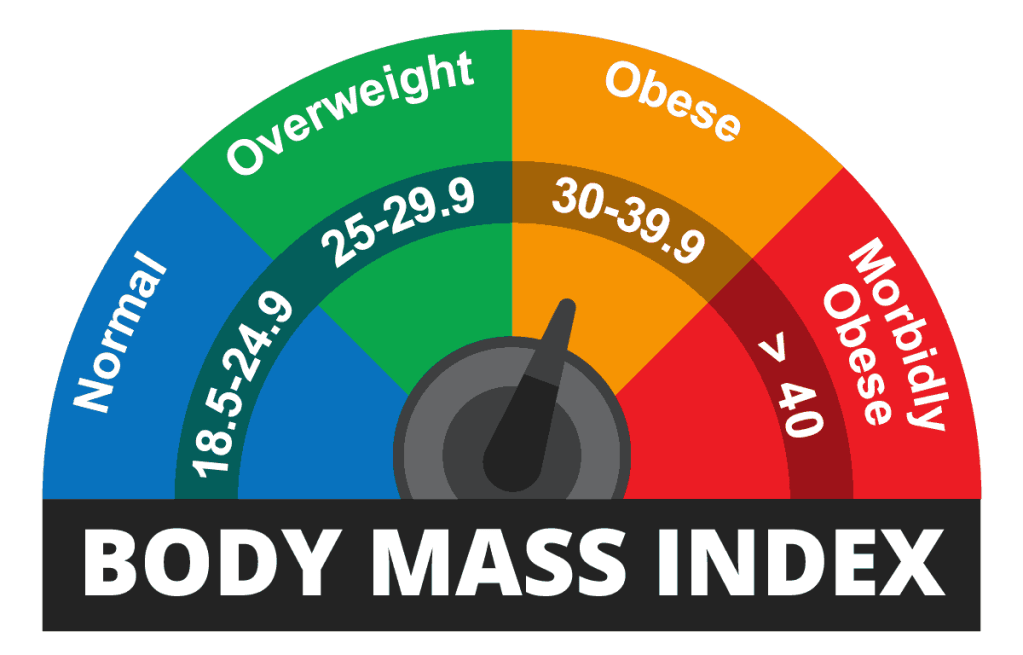
Obesity is classified as a Body Mass Index (BMI) of 30 or higher.
How does obesity affect the kidneys?
Additional body weight can stress the kidneys and cause them to not work as well as they should. You can develop a specific kidney injury called FSGS from obesity alone. This is why it is so important to pay close attention to your weight and general health.
How does obesity affect other parts of my body?
Obesity increases the risk of diabetes and hypertension (high blood pressure). When you have excess fat on your body, you develop “insulin resistance.” This means, the insulin your body makes cannot work as well to control your blood sugar. Additionally, when there is excess weight, this means excess resistance for the heart to pump against causing high blood pressure. High blood pressure, diabetes and obesity increase the risk for heart attack.
What can I do lose weight?
Start by having a serious conversation with yourself. Take a close look at your habits and your diet to identify the behaviors that do not support a healthy lifestyle. Some of the basics include avoiding fried foods, avoiding excess carbohydrates (bread, rice and pasta) and limiting sweets. Understand that most fast food places are not providing healthy meals and soda/cold drinks do absolutely nothing beneficial for your body. Figuring out what you over consume is the first step to fixing the problem. It is also important to commit to a lifestyle of movement. It doesn’t have to be a high intensity work out, but consistency with small workouts or walking is key.

